Guides · 6 min read
Nicotine Strength Explained: mg/ml, Percentages, and Choosing in Australia
What mg/ml Actually Measures
Milligrams per millilitre (mg/ml) counts the nicotine sitting in each millilitre of e-liquid. Read it as a concentration, the way you read how strong a medicine is, not as the total nicotine in the device.
The distinction matters because the volume of liquid is not the same in every device. The same concentration, 20 mg/ml, means a different total of nicotine in a 2ml device than in the 22ml Ingot 9000, even when one puff delivers a similar amount.
The Conversion Table
Total volume is what a percentage expresses the concentration as a share of, and the conversion is simple. Divide mg/ml by 10 and the percentage is what you get. Most often, labels show these strengths: 35 mg/ml (3.5%), 20 mg/ml (2%), 10 mg/ml (1%), 50 mg/ml (5%), and 0 mg/ml (0%, nicotine-free).
A maker may print one notation, the other, or both. Put two products into the same notation before you compare. The figures '35' and '3.5%' barely look related, but the strength is the same.
What Strength Means in Practice
Higher strength puts more nicotine into each puff. It does not make flavour stronger, vapour larger, or the device last longer. Those follow the flavouring, how PG and VG are balanced, the 22ml capacity, and the battery.
A higher figure is sometimes read as a product that is 'better'. That reading is wrong. The figure only marks a liquid with more nicotine packed into it. Go stronger than you need and you simply take in more nicotine, with nothing gained in performance.
Reading the Label Correctly
One source decides your device's strength: the label on the package. Read it before you use the device the first time, especially across different flavours or different lines, because one strength does not carry over to the next.
Be careful if a label is missing, cannot be read, or does not match the manufacturer’s own packaging. In Australia’s pharmacy model of supply, legitimate products that contain nicotine are labelled properly. Missing labelling is a warning.
Nicotine-Free Options
Marked 0 mg/ml (0%), these products have no nicotine in them at all — only the PG/VG base and the flavourings. They suit people who want the sensory side without nicotine, including anyone bringing their intake down over time.
A name, a colour or a flavour does not prove nicotine is absent. Confirmation comes only from the label. Whenever nicotine level matters, check it again.
Australia: Talk to Your Pharmacist
Inside Australia, nicotine vapes belong in the pharmacy channel, not on a general retail shelf. Supply includes an assessment by a pharmacist, and controls on nicotine strength can change from one state or territory to another.
That structure is there for questions of exactly this kind, including how to choose a strength. Use the pharmacist consultation the system provides, rather than working the answer out alone from tables on the internet. What you get there is general guidance on health, from a professional who is qualified. This article is not that guidance.
Shop the range
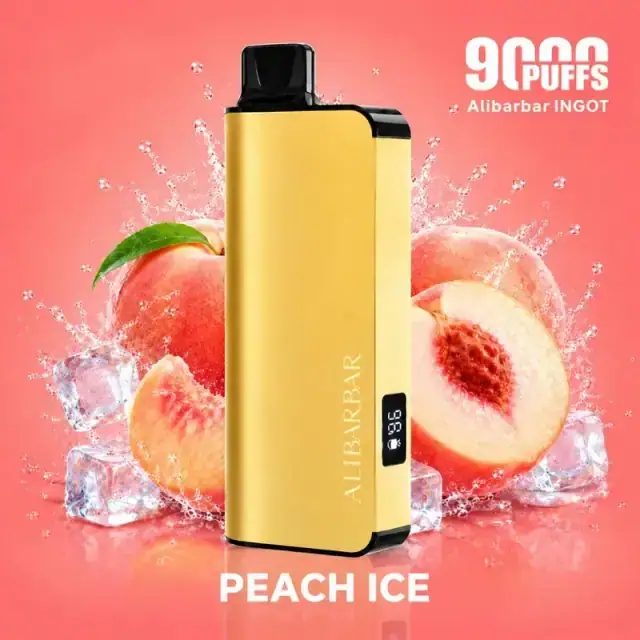
Related guides
FAQ
How do you read nicotine at 20 mg/ml?
What it means is 20 milligrams of nicotine inside every millilitre of e-liquid, equal to 2% by volume. A 22ml device, the Alibarbar Ingot 9000 included, holds that concentration all the way through the pre-filled liquid. Per unit of liquid is what the figure describes. Total nicotine in the whole device is not what it describes.
Does nicotine at 5% match 50 mg/ml?
Yes. Percent and mg/ml name one concentration in two notations. Times 10 takes a percentage to mg/ml. Dividing mg/ml by 10 returns a percentage. Accordingly, 2% equals 20 mg/ml, 3.5% equals 35 mg/ml, and 5% equals 50 mg/ml. A label may use either form, which is why knowing how to convert matters.
Which nicotine strength is the one to pick?
Individual factors, prior nicotine use among them, mean there is no strength that is universally right. As a general picture, heavier use in the past usually lines up with a higher strength, because each puff then carries more nicotine, while tapering is where lower strengths and nicotine-free options come in. Pharmacies are the supply route for nicotine vaping products in Australia. Strength is a conversation for the pharmacist assessing that supply.
In Australia, is every nicotine strength available over the counter?
No. Pharmacy supply is the regulatory path Australia uses for nicotine vaping products. Assessment by a pharmacist is required. So is product eligibility. So are nicotine-strength controls. So is the law of the state or territory. Overseas packaging can print any strength it likes. Buying these as ordinary retail goods is still not lawful.
Does a higher nicotine level make the device last any longer?
No. Battery capacity and e-liquid volume are what set how long a device lasts. The Ingot 9000 pairs 22ml with a non-rechargeable 2350mAh battery, and the maker rates it up to 9000 puffs. What strength changes is nicotine in a puff, not puff count. Match the model and a 0 mg/ml unit lasts as long, in puffs, as a 50 mg/ml unit.