Guides · 7 min read
Mesh Coil vs Ceramic Coil: How Vape Heating Tech Works
How Vaporisation Works
Take the logo away and every vapour device still does one job: heat turns liquid into an aerosol. E-liquid soaks a wick that is wrapped on a metal heating element, or pressed to it. When current runs, liquid on the hot face turns to vapour.
How fast heating begins, whether that heat stays even, and how clean the flavour is — coil geometry and coil materials decide that quality. Mesh and ceramic separate on exactly those points.
Mesh Coils: Large Surface, Even Heat
A mesh coil is a fine perforated sheet, usually stainless steel or kanthal alloy, formed into a cylinder. E-liquid soaks the wick held against that sheet, and the broad surface heats a wide film of liquid in one go.
Ramp-up is quick, so vapour starts almost at once, and temperature stays even over the whole surface. That even heat avoids hot spots. Flavour holds, and a draw that has run too hot is less harsh.
Ceramic Coils: The Older Approach
Cotton is not the wick in a ceramic coil. A porous block of ceramic holds the e-liquid and wraps the heating wire. Refillable pod systems of an earlier generation are where that design was popular.
Ceramic comes up to temperature more slowly, and some people found the flavour grew muted as residue collected in the pores. It still turns up in niche products, but in mainstream devices mesh has largely replaced it.
Why Sealed Disposables Choose Mesh
One coil, one fill of e-liquid, and no way to service it: that is a disposable, a sealed system. The coil inside has to behave on the first puff the way it behaves on puff number nine thousand, because mid-life replacement is impossible.
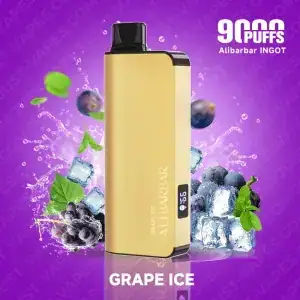
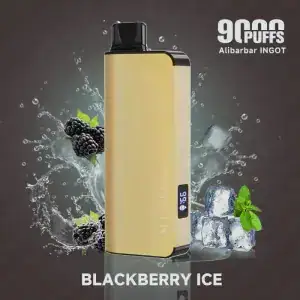
Mesh matches that job. Heat spread evenly suits a tank that is already filled, and the quick ramp means the device answers without a draw spent warming up. That is why disposable lines now, the Ingot 9000 included, are built on mesh heating.
What Users Actually Notice
In day-to-day use, coil design shows up as steadiness. A sound mesh arrangement keeps flavour and the density of vapour similar for the life of the device. The smart LED display lets you watch e-liquid level and battery level as you go.
If flavour falls away hard, well before the liquid has run out, the cause is usually a device that is spent, not the type of coil. Buy from places with a reputation. A counterfeit may use poorer parts inside, whatever the pack claims.
Shop the range
Related guides
FAQ
The actual job of a coil
The heating element is the coil. Draw, and the battery feeds the coil, which heats e-liquid sitting in the wick around it until the liquid becomes the aerosol you breathe in.
Why mesh coils are the usual choice on disposables
A sealed disposable has a single coil for its whole life, so that coil has to stay consistent from the opening puff through to the final one. Mesh spreads heat across a wide surface. That suits hardware which is pre-filled and cannot be serviced, better than layouts that form hot spots.
Does a mesh coil beat a ceramic one?
Where flavour consistency in a disposable is the goal, mesh is generally preferred and it is the standard at the moment. Ceramic had its time in pods that you refill, and some users liked how slowly it ramped up. The practical answer depends on which device you have. Disposables, in practice, are where mesh has become the usual industry choice.
Can you identify the coil fitted in your device?
The specifications are where makers usually say which coil they used. Broadly, disposables on sale now — the Ingot 9000 range among them — use mesh, while some older pod kits that you refill still use ceramic.
Does the coil change how long the device lasts?
In a roundabout way, yes. Clean vaporisation from a coil that heats evenly and efficiently is what supports the puff count printed for the device. A coil that runs hot, or that heats unevenly, can waste liquid and cut the life you actually get.