Comparison · 8 min read
Disposable vs Pod Vapes in Australia (2026): Cost, Convenience and Waste Compared
How Each Type Works
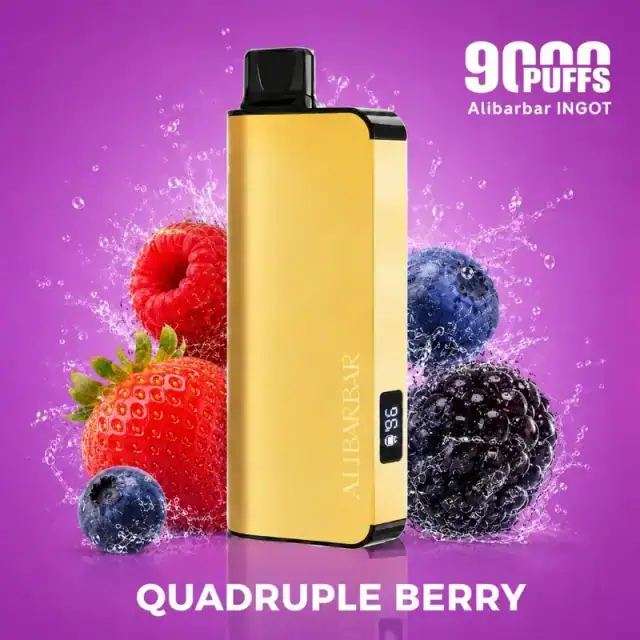
Pre-filled and pre-charged is how a sealed disposable arrives, and the Alibarbar Ingot 9000 is that kind of device. Draw until battery or liquid is done. The Ingot’s rated figure for that span is up to 9000 puffs. The whole unit is what you replace afterwards. Buttons, settings and replaceable parts are all absent.
A pod system is split into two parts. One is a battery unit you can recharge. The other is a small pod that contains the coil and the e-liquid. When that pod is empty you refill it or you replace only the pod. The battery is recharged with a cable and then reused across months. What you consume is the pod. What you invest in is the battery.
Dimension 1: Cost
On the price paid at the till, disposables come out ahead. Count a pod kit’s battery, its charger cable and the starter pods, and that kit costs more than one sealed unit. Nothing to debate.
For regular users, the arithmetic reverses as time goes on. Each new disposable buys the battery and the casing again, together with the liquid. Someone on pods buys the liquid again only in the form of a pod. The more you use, the sooner the lower per-puff cost of a pod system overtakes the cheap way in that a disposable offers at the start. People who only vape now and then may never reach that crossover. How much you use is what picks the winner.
Dimension 2: Convenience
No charging cable, no spare pod in your pocket, no cleaning, and nothing you have to learn: disposables are the option with zero upkeep. For a trip, or as the device you keep in reserve, that simplicity is difficult to top.
A pod system asks a little more of you. You need to remember the charge, and to keep a spare pod handy. What you get back is flexibility. Changing flavour means swapping a pod rather than replacing the whole device, and if you charge as a routine a flat battery does not catch you out. In any product category, that is the difference between single-use and reusable.
Dimension 3: Environmental Impact
Weakest point of a disposable, this. A finished one discards the cell, which is lithium, plus the board that runs the circuit, plus the shell in plastic and metal. That is the cost of up to 9000 puffs. Keep replacing them and discarded electronics mount quickly.
Pods are where a pod system puts most of its waste. Months of use pass before the battery itself joins the e-waste stream. Waste-free is not a description of either option. Disposal has to be done properly for both. Australia’s rule for lithium batteries is an e-waste stream or a battery-recycling stream. General rubbish is wrong for them, and so is a household recycling bin.
The Comparison at a Glance
Day-one spend sits lower with a disposable and higher with a pod system, because the kit itself has to be bought. Measured per puff over a long stretch, pods usually cost less for people who vape regularly, while very light use can still leave a disposable cheaper. A disposable needs no upkeep. A pod system needs charging and fresh pods. Switching flavour means another disposable, whereas a new pod is enough on a pod system. Waste per puff is high when the whole disposable is thrown away, and low when only the pod goes. Built in and used once: that is the disposable battery. A pod battery recharges and stays in service for a long time.
The basics do not change with the design. In Australia, nicotine versions come through pharmacy supply. Both types contain a lithium battery that needs to be disposed of properly. Neither is for non-smokers, for young people, or for anyone under 18.
Which Suits Whom
A sealed disposable suits you when simplicity matters most, when you want a spare or something for travel, or when you vape so rarely that cost per puff never decides the purchase. The high puff rating on the Ingot 9000 puts it among the longer-lasting choices in this class.
Pick a pod system if you vape often, want long-run cost and waste kept down, and accept a small routine of charging and pod changes. Either format, buy only through lawful channels in Australia, read the label, and get rid of finished hardware in a responsible way.
Shop the range
Related guides
FAQ
Disposables or a pod system: which one costs less?
Up front, one disposable costs less than a pod kit. What matters more is what you pay per puff over time. The battery’s cost, on a pod system, is shared across pod after pod, which is why heavy long-term use generally means a lower puff price. Break-even may never arrive for someone who vapes lightly or only now and then. Old price lists are a poor guide, because prices move. Compare what local sellers charge today.
Is there less waste from a pod vape?
Yes — substantially less hardware thrown away for each puff. Finish a disposable and the casing, battery and electronics all leave together as e-waste. On a pod system that rechargeable battery stays with you for months, sometimes longer, and the only thing you swap is the little pod. Waste does not disappear under either approach. Lithium batteries of every kind belong in battery recycling or an e-waste stream. General rubbish is the wrong place for them.
Do pod systems ask more of you when you use them?
The gap is real, but it is small. Modern pod systems are activated by the draw, as disposables are. The added steps are charging the battery, usually through USB-C, and swapping a pod when that pod is finished. Basic pod kits do not ask you to build a coil, and they have no settings menu. If you want maintenance to be literally zero, a sealed disposable is still the simpler choice.
In Australia, can a normal shop sell nicotine pods or disposables?
No. The pharmacy channel is Australia’s supply route for nicotine vaping products, whichever device type is in front of you. Pharmacist assessment is required for nicotine pods and for nicotine disposables alike. Strength controls apply, product eligibility applies, and state or territory law applies. Design of the hardware leaves the regulatory pathway unchanged.
Disposable or pod — which one lasts longer?
It depends on what you are comparing. A single high-capacity disposable such as the Ingot 9000 — 22ml, 2350mAh, rated up to 9000 puffs — can last longer than several individual pods. The rechargeable battery in a pod system, though, carries on through many pods over a span of months, so the service life of the system as a whole is far longer. Compare puff ratings and how much each pod holds by reading the label, rather than comparing device categories on their own.