Guides · 7 min read
Disposable Vape Battery Safety in Australia: Storage, Warning Signs and Safe Disposal
What Is Inside a Sealed Disposable
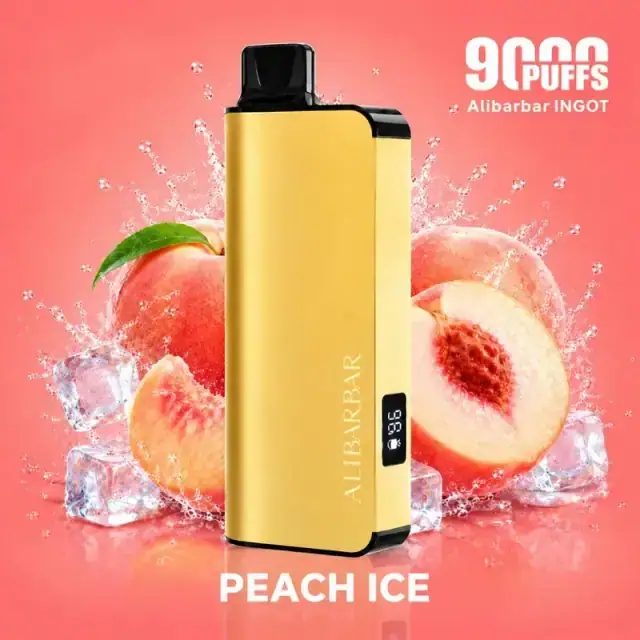
Every single-flavour Ingot 9000 uses the same hardware: a pre-filled 22ml e-liquid tank, a mesh coil, inhale activation, a smart LED that shows battery and e-liquid still left, and a 2350mAh lithium battery. The manufacturer rates it for up to 9000 puffs, usage dependent, and the battery is sized so that it lasts as long as the liquid does.
Because the battery is sealed in and never recharged, the safety picture is simpler than with a refillable kit. There is no charger to choose, no cable to fray and no cell to swap. Your job is mostly to avoid damage: heat, pressure, punctures and water. The full specification sits on the Ingot 9000 hub at /ingot-9000, and the recharging question is answered in detail at /guides/can-you-recharge-alibarbar-ingot-9000.
Storage: Cool, Dry and Out of the Sun
Lithium cells do not like heat. An Australian summer can push the inside of a parked car far beyond room temperature, and a dashboard or glovebox in direct sun is one of the worst places to leave any battery-powered device. The same applies to a windowsill in the afternoon sun or a bag left beside a heater.
Good storage is easy to get right:
- Keep spare devices in their retail packaging until you need them. The box protects against knocks and keeps the mouthpiece clean.
- Store them in a drawer or cupboard that stays at normal room temperature, away from direct sunlight.
- Keep them dry. Do not store them in a bathroom, and do not use a device that has been dropped in water.
- Keep them out of reach of children and pets. These are adult products, sold 18+ only.
- Do not store them loose with metal objects such as keys or coins.
Handling: Leave the Casing Closed
A disposable is designed to be used exactly as it arrives. Take off any cap on the mouthpiece or air intake, then draw gently; the device activates on inhale and needs no buttons. The casing should stay shut for the life of the device.
Opening a disposable to look inside, to refill it or to reach the battery risks puncturing or short-circuiting the cell, and a damaged lithium cell can overheat. The same goes for crushing a device, cutting it or bending it. If you have been told a sealed disposable can be refilled or recharged with a workaround, ignore it. The step-by-step use guide at /guides/how-to-use-a-disposable-vape covers everything you actually need to do.
Warning Signs a Battery Is in Trouble
Most devices will never show any of these, but it pays to know them. Retire the device straight away if you notice:
- Swelling: a bulging casing, separating seams or a device that no longer sits flat.
- Heat: the body gets noticeably hot during or after use, rather than just slightly warm near the mouthpiece.
- Smell: a burning, chemical or plastic smell that is different from normal vapour.
- Leaking: liquid escaping from seams or the air intake, or residue on the casing.
- Hissing, popping or visible smoke from the body of the device.
What to Do If a Device Swells, Overheats or Leaks
Stop using it immediately. Do not try to fix it, press the swelling down or open it to see what happened.
If it is hot, move it, if you can do so safely, onto a non-flammable surface such as concrete, tile or a metal tray, well away from anything that can catch fire, and let it cool in a ventilated spot. Do not put it in water to cool it down. If it is smoking or burning, keep clear and call emergency services on 000.
Once it is cool and stable, treat it as a damaged battery. Many battery drop-off points ask for damaged or swollen batteries to be handed to staff rather than dropped in a bin, so tell them what it is. If e-liquid has leaked onto your skin, wash it off with soap and water; e-liquid can contain nicotine, which is toxic if swallowed. Keep leaked liquid away from children and pets, and seek medical advice or call the Poisons Information Centre on 13 11 26 if anyone may have swallowed some.
When the Device Is Finished
The smart LED shows how much battery and e-liquid are left. A low or empty reading, or a flashing light that does not settle after a gentler puff, usually means the device has reached the end of its life. The walk-through at /guides/how-to-read-alibarbar-led-when-finished explains what each state means. If you suspect a fault rather than a finished device, try the steps in our troubleshooting post at /blog/disposable-vape-troubleshooting-australia first.
A finished disposable is not empty of hazards. It still contains a lithium battery, which is why it should never go into the household rubbish or the kerbside recycling bin. Batteries hidden in general waste can be crushed in collection trucks and at recycling facilities, where they can start fires.
Disposing of Used Disposables in Australia
Take finished devices to an e-waste or battery collection point. Many councils run e-waste drop-offs or community recycling centres, and some retailers host battery collection bins. Rules about which items each site accepts differ between councils and states, so check with your local council or the collection point before you go.
A few habits make drop-off safer and easier:
- Collect finished devices in a small container kept somewhere cool, rather than letting them pile up loose in a drawer.
- Keep them apart from metal items and from other loose batteries.
- Do not open devices to separate the battery first. Hand them in whole.
- Tell staff about any device that is swollen, leaking or damaged.
Travelling With Disposables
Because these devices contain a lithium battery, airlines generally require them to travel in cabin baggage, never in checked luggage, and they must not be used or charged on board. Rules can differ between airlines and destinations, so check before you fly. Our full guide is at /blog/taking-vape-on-plane-australia-guide.
Buying Genuine Stock Matters for Safety
A battery is only as good as the device built around it. Counterfeit disposables may use lower-quality parts inside, whatever the packaging claims. A genuine Ingot 9000 matches a known profile: up to 9000 puffs, 22ml of e-liquid, a 2350mAh built-in battery and a working smart LED. Specs that are missing or do not line up are a warning sign. The checklist at /guides/how-to-spot-fake-alibarbar-ingot shows what to look for.
The Ingot 9000 singles in the catalogue are A$39, and ALIBARBAR 12000 singles are A$49. Packs of 5, 10 and 20 Ingot 9000 devices are A$175, A$299 and A$560. Orders ship by Australia Post Regular Post, A$10 for 1–19 devices and free from 20 devices, usually arriving in about 3–7 business days once payment is confirmed.
Important Notice
Alibarbar products are for adults 18+ only. Vaping products can contain nicotine, which is addictive. Nicotine strength can differ by batch and region, so trust the figure printed on the pack. Australian rules on buying, importing and using vaping products differ by state and change over time; you are responsible for following the laws where you live. Our overview is at /guides/disposable-vape-laws-in-australia. This guide is general safety information, not medical or legal advice.
Shop the range

Related guides
FAQ
Can I charge an Alibarbar Ingot 9000 if it runs flat early?
No. It has no charge port and the battery is not designed to be recharged. The 2350mAh cell is sized for the full 22ml of e-liquid. If a device stops before the liquid is used, see the troubleshooting guide, but do not open it or force a charge into it.
Is it safe to keep a disposable in my pocket?
Generally yes, provided it is on its own. Avoid carrying it loose with keys or coins, avoid sitting on it, and do not leave it where it can be crushed or exposed to strong heat.
What does a swollen disposable look like?
The casing may bulge, seams may separate, or the device may no longer sit flat. Any change of shape is a sign the battery has been damaged and the device should not be used again.
Can I put a finished vape in the recycling bin?
No. A used disposable still holds a lithium battery. Batteries in kerbside bins and garbage trucks are a known fire risk, so take it to an e-waste or battery collection point instead. Your local council can tell you the nearest drop-off.
Does cold weather damage the battery?
Very cold conditions can make a device feel sluggish for a while, but heat is the bigger concern for both the battery and the e-liquid. Let a cold device return to room temperature naturally rather than warming it on a heater.